
Reviewed · HELSINKI TOURS
Helsinki architecture tour with a city planner
Helsinki’s architecture makes more sense when someone explains the forces behind it. On this three-hour walk, city planner Emek links grand civic buildings, Finnish design, political change, and daily city life instead of treating each stop as a separate photo opportunity. Senate Square to Oodi gives you a tidy route through several eras of Helsinki.
I like the small maximum of six people, which should make it easy to ask questions and keep the discussion lively. I also like the guide’s unusual professional angle: Emek uses architecture to explain how Finnish society and politics shaped the city. The main drawback is physical. You’ll be walking outdoors for about three hours, and the tour runs in all weather, so poor shoes or bad clothing could put a damper on it.
Key points to know before booking
- A city planner leads the walk: Emek brings an urban-planning view to Helsinki’s buildings, streets, and public spaces.
- The route crosses several eras: You move from Senate Square and historic civic buildings to Jugendstil, modern commercial design, Central Station, and Oodi.
- The group is capped at six: This is a personal format, not a large group march, and you should have room for questions.
- The tour lasts about three hours: It suits reasonably active people who are comfortable walking between central Helsinki sights.
- The price is $69.14 per person: That is fair if you want interpretation and conversation, not just a route between landmarks.
- You finish at Oodi: The ending gives you time to see Helsinki’s celebrated central library after the guided portion.
Why an urban planner changes the way you see Helsinki
You can walk through central Helsinki on your own and see plenty of handsome buildings. The harder part is understanding why they look the way they do, how they fit together, and what they say about Finland.
That is where Emek’s background matters. The tour is built around connections between architecture, politics, and social life. Instead of only naming styles, he explains the pressures and ideas behind them. The result is a city tour for people who want more than a list of construction dates.
The route also has a useful range. You begin with the formal center of Helsinki, pass through historic and commercial buildings, and finish at Oodi, a modern public library. That lets you compare old and new design within a single morning or afternoon.
The small group is a real advantage here. Architecture tours work best when you can stop, look up, and ask why a building was designed in a certain way. With no more than six people, the experience should feel closer to a conversation than a lecture.
A few more Helsinki half-days to weigh up
- Helsinki: Sightseeing Canal Cruise with Audio Commentary
★ 4.5 · 1,299 reviews - A Finntastic Walking Tour in Helsinki
★ 5.0 · 700 reviews - From Helsinki: Nuuksio National Park Half-Day Trip
★ 4.8 · 688 reviews
Senate Square sets the political stage
The tour begins at Aleksanterinkatu 9, in central Helsinki, and soon reaches Senate Square. You have about ten minutes here, with no admission charge.
Senate Square is the right place to begin because it presents Helsinki as a planned capital. The formal setting gives you an immediate sense of civic power and national identity. Here, the buildings are not random pieces of an old town. They form a deliberate urban room.
I would pay close attention to the relationship between the open square and the surrounding architecture. A city planner can point out how scale, position, and symmetry affect the way you experience a public place. You may notice that the square feels ceremonial even when you are simply crossing it.
Ten minutes is enough for an introduction, but not enough for an extended architectural study. That is not a serious flaw, since this tour uses the square as a starting point rather than its only subject. Still, you should expect the guide to keep the group moving.
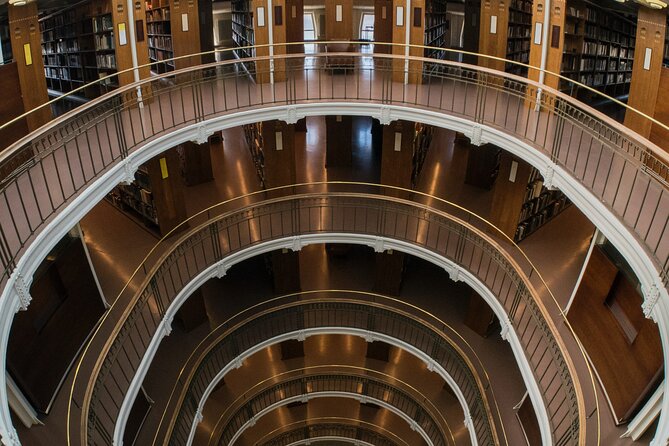
The National Library reveals Helsinki’s civic ambition
The next stop is the National Library of Finland, where you have about fifteen minutes. Admission is free.
A library can tell you a great deal about what a country values. Here, the subject is not just books or decorative detail. The building offers a way to discuss education, public knowledge, national culture, and the role of institutions in Helsinki.
This is also a good point to let Emek connect architecture with the wider development of Finland. The tour’s strength is not simply identifying a building as old or important. It is showing how public buildings can express a society’s goals.
You should keep in mind that the visit is brief. The supplied schedule does not promise a long indoor exploration or a special-access experience. Think of this stop as a focused architectural and cultural explanation, with free entry rather than a separate museum visit.
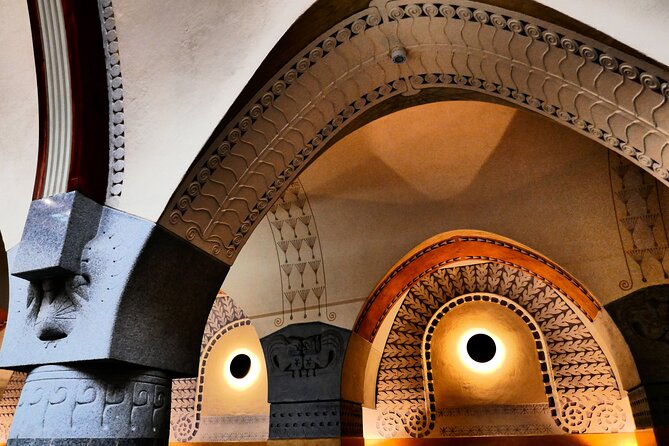
Jugendsali brings a more decorative Helsinki
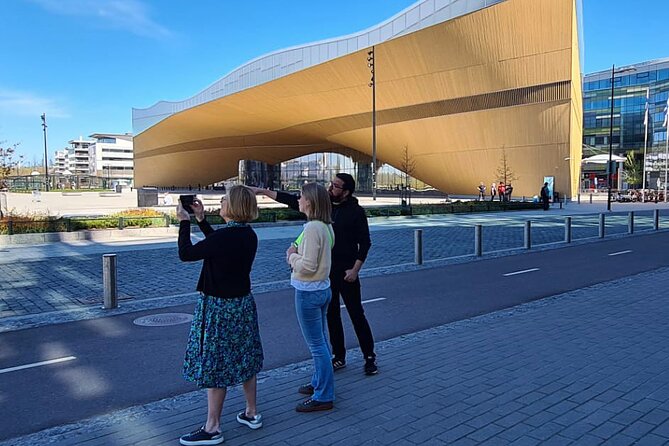
You then spend about fifteen minutes at Jugendsali. This stop adds another style to the route and helps break up the formal character of the earlier buildings.
The name points to Helsinki’s turn toward Jugendstil, the local form of Art Nouveau. This period is important because it brought more expressive shapes and decoration into the city. Rather than looking only at grand civic order, you get a chance to consider how architecture became more personal, ornamental, and visually playful.
I like this part of the route because it supports comparison. Senate Square presents a controlled public face, while Jugendstil gives you another idea of what Helsinki can look like. Emek’s background should help you notice these differences without reducing them to a string of style labels.
As with the other stops, fifteen minutes is a short window. You will get an explanation and time to look, but not an exhaustive study of every feature. If you want to photograph details, do it promptly and keep listening.
Same trip base, a completely different kind of day:
- Helsinki: Tallinn Guided Day Tour with Ferry Crossing
★ 4.6 · 670 reviews - Helsinki: Hop-On Hop-Off City Bus Tour
★ 4.2 · 585 reviews - Helsinki: Bus Tour with Audio Guide
★ 4.3 · 544 reviews - Helsinki to Tallinn Guided Tour -cruise ticket & pick up included
★ 4.5 · 485 reviews
Pohjola Insurance Building shows architecture with a Finnish voice
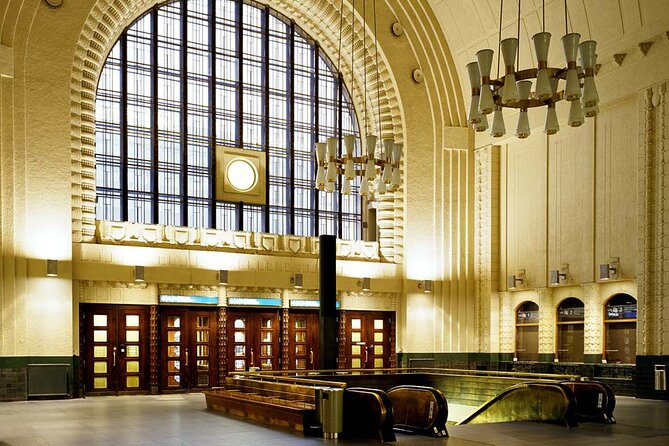
The Pohjola Insurance Building receives about ten minutes. Its place on the route is significant because it broadens the story beyond government buildings and libraries.
Insurance companies need offices, but architecture can turn an office into a statement. This building gives Emek another example for discussing how commercial architecture can reflect national ideas, local design, and the period in which it was built.
The short stop works well as part of a sequence. You are not asked to spend a long time inside one building. Instead, you keep moving through central Helsinki and see how different institutions used architecture to present themselves.
That pace is ideal if you want a broad introduction. It is less suited to you if your main goal is detailed architectural photography or long interior visits. The tour favors context and comparison over lingering at one facade.
Esplanadi Park adds streets, greenery, and city life
After several buildings, the ten-minute stop at Esplanadi Park gives you a change of setting. This is useful because architecture is not only what rises above the street. It also includes parks, views, movement, and the public spaces between buildings.
A planner can explain how a park helps organize a city and how people use a central open area alongside shops, offices, and cultural buildings. You may find this part especially helpful if you want to understand Helsinki as a working city rather than a collection of monuments.
The stop also gives your eyes a break. Three hours on foot can feel easier when the route includes an open public space instead of one building after another. Do not expect a long pause for food or rest, though. Food and drinks are not included, and the tour continues on foot.
The Academic Bookstore connects design with everyday use
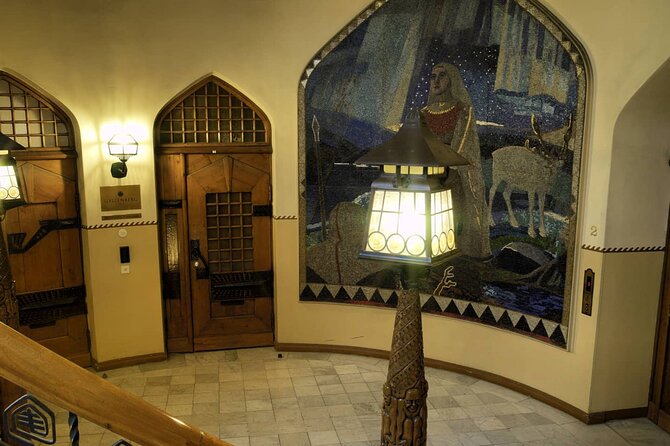
The Academic Bookstore, also called Akateeminen Kirjakauppa, is another ten-minute stop. It brings the discussion into a commercial and everyday setting.
Bookstores are public-facing places, and this one lets you consider how design shapes ordinary activities. The building is not presented as an isolated monument. It is part of the city’s daily rhythm, where people browse, shop, meet, and move through central Helsinki.
This is one of the itinerary’s useful choices. A tour that only visits government landmarks can make architecture feel distant. A commercial building makes the subject more familiar. You can ask how design affects comfort, attention, and the way a business presents itself.
The schedule does not include a meal or shopping break. If you want to buy something, you should treat that as separate from the guided experience and avoid assuming there will be spare time.
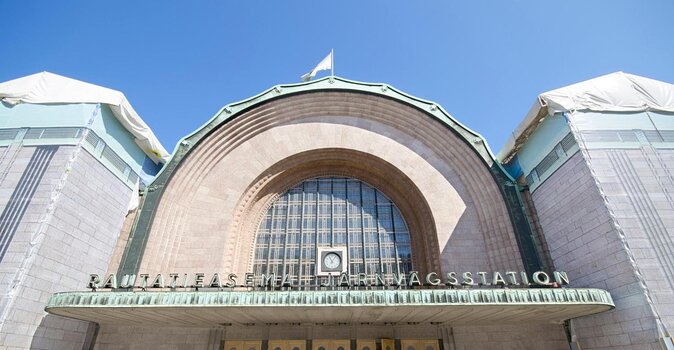
Helsinki Central Railway Station puts movement at the center
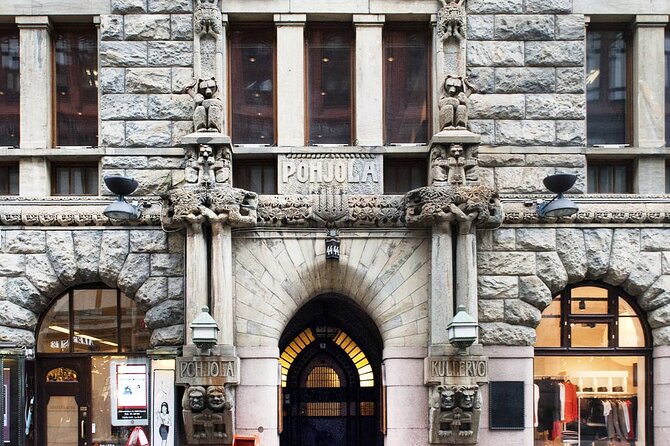
The route continues to Helsinki Central Railway Station for about ten minutes. This stop adds transport and urban movement to the story.
Railway stations are public buildings, but they also have a practical job. People arrive, depart, wait, hurry, and meet there. That makes the station a good place to discuss how architecture handles large flows of people while still creating a recognizable civic identity.
You will likely appreciate this stop if you enjoy the link between design and function. The station is not only something to admire from the outside. It is a working part of Helsinki, and its importance comes from both its appearance and its role in the city.
Again, ten minutes is enough for a clear explanation but not an extended tour of every space. Keep your group together and expect to remain on the move. The station is also near public transportation, which makes the central route practical for arriving or continuing your day.
Oodi closes the route with modern public design
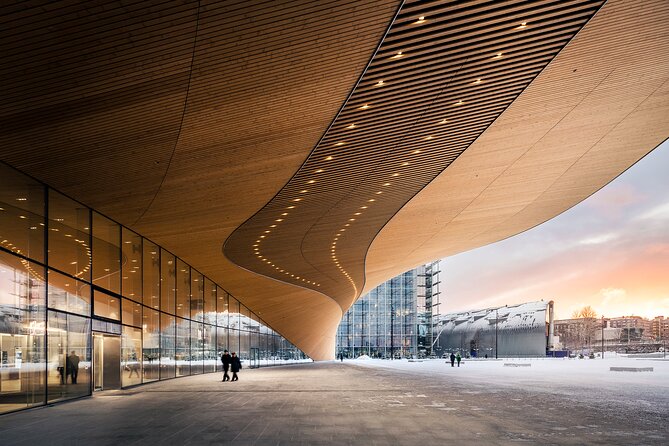
The final stop is Helsinki Central Library Oodi, where the guided route ends at Töölönlahdenkatu 4. You have about twenty minutes here, the longest scheduled stop.
Oodi gives the tour a strong final contrast. After historic squares, older institutions, commercial buildings, and the railway station, you reach a modern public building designed for contemporary city life. The library makes it possible to discuss what Helsinki wants a public building to do today.
That is a fitting conclusion because libraries are no longer only places to store books. They can serve as shared civic spaces, and Oodi lets you consider how modern design supports that wider purpose. The tour’s route from formal civic architecture to a contemporary public facility gives you a clearer sense of change over time.
The ending is also practical. You are not left at an isolated landmark. You finish in central Helsinki, with public transportation nearby and the rest of the city within reach. Since the tour ends there, you can choose to spend more time at Oodi afterward, but that additional time is not part of the guided three-hour experience.
What the $69.14 price really buys you
At $69.14 per person, this is not a bargain-priced orientation walk. The value depends on how much you want from the guide.
You are paying for about three hours of expert interpretation, a route through major architectural periods, and the chance to ask questions in a group of no more than six. If you already know Helsinki’s architecture well and prefer to wander quietly, the cost may feel high.
I think the price is easier to justify for a first visit or for anyone with a serious interest in architecture, history, urban planning, or design. Emek’s professional background gives the tour a clear point of view. You are not simply being taken from one landmark to another.
The route also saves you planning time. You do not need to research which buildings belong together or work out how to connect Senate Square with Oodi. The price covers the local guide, while food, drinks, and transportation to and from the attractions remain your responsibility.
Group discounts are available, which may improve the value if you are booking with others. The experience is booked an average of 48 days ahead, so you should not leave it until the last moment during a busy Helsinki trip.
Weather, walking, and the small-group format
This is a walking tour for reasonably active people. The schedule is spread across central Helsinki, and the experience lasts about three hours. You should be comfortable walking between stops and standing outdoors while the guide explains a building or public space.
The tour operates in all weather. Bring clothing suited to the forecast, and choose shoes for pavement rather than appearance alone. Rain or cold will affect how much you enjoy the outdoor portions, even though the route includes some indoor stops.
The group limit of six is one of the strongest practical features. It should be easier to hear Emek, ask follow-up questions, and spend a moment looking at a detail that interests you. It also means the experience may feel less anonymous than a large city tour.
The meeting point is Aleksanterinkatu 9, and the tour ends at Oodi. Transportation to and from the attractions is not included, so plan your own way to the starting point and onward travel after the library.
Who will get the most from this Helsinki walk
I would recommend this tour most strongly if you:
- Like architecture but want social and political context with it
- Prefer a guide-led route to planning your own city walk
- Enjoy asking questions during a tour
- Want to compare historic buildings with contemporary Finnish design
- Are comfortable walking for three hours in changing weather
- Have already seen the basic sights and want to understand them better
It is also a good choice for people who have taken architecture or history walks elsewhere and want a guide with a planning background. Emek’s strongest contribution is the way he connects buildings to political and social forces, rather than treating architecture as decoration alone.
I would think twice if you want a relaxed sightseeing outing with lots of free time. The route has a clear schedule, with most stops lasting only ten or fifteen minutes. You will see many places, but you will not have a long, unstructured break at each one.
Booking, cancellation, and planning details
You receive confirmation when you book, and a mobile ticket is available. Free cancellation applies if you cancel at least 24 hours before the local start time. Cancellations or changes made inside that window are not accepted for a refund.
The experience requires a minimum number of people. If the operator cancels because that minimum is not reached, you will be offered another date or experience, or receive a full refund.
I would book this early if the tour fits your plans, especially since it is often reserved well ahead of time. For the best use of the route, place it near the start of your Helsinki stay. You will then have a clearer sense of the city’s buildings and public spaces for the rest of your visit.
Should you book the Helsinki architecture tour?
Book it if you want Helsinki explained, not just photographed. Emek’s city-planning background, the six-person maximum, and the route from Senate Square to Oodi give this experience a strong focus and a useful range.
The main tradeoff is pace and weather. You will walk for about three hours, stop briefly at many places, and spend time outdoors in whatever conditions Helsinki provides. If that sounds enjoyable, the $69.14 cost is reasonable for a small, discussion-based tour that connects architecture with Finland’s political and social story.
FAQ
How long does the Helsinki architecture tour last?
The tour lasts approximately three hours.
Where does the tour begin?
It begins at Aleksanterinkatu 9, 00100 Helsinki, Finland.
Where does the tour end?
The tour ends at Helsinki Central Library Oodi, Töölönlahdenkatu 4, 00100 Helsinki, Finland.
How many people can join the tour?
The tour has a maximum of six participants.
Is food or transportation included?
No. Food and drinks are not included, and transportation to and from the attractions is also not included.
Can I cancel for a full refund?
Yes. You can cancel for a full refund up to 24 hours before the experience start time. Cancellations or changes made less than 24 hours in advance are not accepted for a refund.
Just added around Helsinki
- Wildlife safari with campfire dinner from Helsinki★ 5.0 · 8 reviews
- Traditional smoke sauna experience and national park visit★ 5.0 · 10 reviews
- Helsinki and Porvoo Private Tour by Luxury Car with Guide★ 5.0 · 16 reviews
- Winter kayaking in Eastern Helsinki archipelago★ 5.0 · 3 reviews
- Helsinki Self-Guided Audio Tour★ 3.5 · 14 reviews
- Private Porvoo Tour & Visit Runeberg’s National Poet House★ 5.0 · 3 reviews
- VIP Private Half-Day Trip to Medieval Porvoo from Helsinki★ 4.5 · 9 reviews
- Helsinki Private Tour Medieval Porvoo****★ 4.5 · 10 reviews
Helsinki Tours, compared.

Sightseeing Canal Cruise with Audio Commentary
Read our review →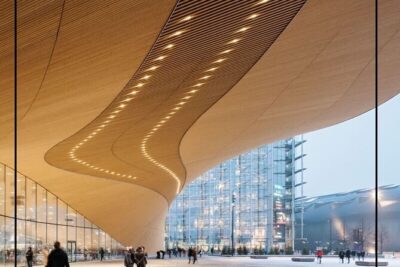


Helsinki to Tallinn Guided Tour -cruise ticket & pick up included
Read our review →

Browse the lists this tour appears in